Team Architecture · Sanrio Entity Taxonomy
Sanrio Character Groups, Duos and Units Explained
Published May 15, 2026 · Updated September 19, 2026 · By SanrioCharacters.com Editorial Team · 13 min read
Understanding Multi-Character Formats in Sanrio
Sanrio has developed many distinct multi-character entities across its history, from legendary twin duos such as Little Twin Stars (1975) to sibling trios like Goropikadon (1982), vast confectionery worlds like Sugarbunnies (2004), official revival teams like Hapidanbui (2020), virtual dance-vocal groups like Beatcats (2020), and psychological story casts like Maimaimaigoen (2021). These multi-character properties are not identical in structure: some are permanent pairs, others are large story ensembles, and units like Hapidanbui unite pre-existing characters who continue to operate as standalone powerhouses.
What Counts as a Sanrio Group, Duo or Unit?
To avoid confusing casual fans and collectors, Sanrio's multi-character properties must be classified according to their canonical structure, character origins, and commercial presentation. Below are the core organizational categories:
1. Canonical Duo / Pair
Two characters specifically designed and marketed together as a primary unified property. Examples: Little Twin Stars (Kiki and Lala), Patty and Jimmy, and Sugar Minuet.
2. Canonical Trio / Sibling Group
Three characters forming a permanent, indivisible team or sibling ensemble. Examples: Goropikadon (3 thunder-boy brothers) and Twee Dee Drops (3 rabbit boys).
3. Official Revival / Crossover Unit
An official team formed by gathering pre-existing standalone Sanrio characters under a new mission. Example: Hapidanbui (formed in 2020 with six classic male characters).
4. Music and Performance Group
An original character property centered on songs, choreography, dance teams, and virtual performance. Example: Beatcats (5-member cat dance-vocal group).
5. Multi-Character World
A vast fictional world populated by multiple distinct pairs and trade artisans. Example: Sugarbunnies (confectionery world of Bunniesfield with 14+ twin rabbits).
6. Narrative Story Ensemble
A large narrative cast whose core appeal lies in serialized interpersonal drama rather than individual mascot marketing. Example: Maimaimaigoen (17 core characters).
Sanrio Groups, Duos and Units at a Glance
The table below provides verified debut years, structural types, exact member counts, and key architectural differences across Sanrio's multi-character roster:
| Property / Unit | Group Type | Debut | Members | Key Difference |
|---|---|---|---|---|
| Little Twin Stars | Canonical Duo | 1975 | 2 (Kiki and Lala) | Twin celestial siblings marketed as a unified single franchise. |
| Patty and Jimmy | Paired Property | 1974 | 2 (Patty and Jimmy) | Sporty girl and studious boy paired in American suburban setting. |
| Bunny and Matty | Group Property | 1974 | 4 (Bunny + 3 Matty mice) | White rabbit girl accompanied by three identically named mice. |
| Twee Dee Drops | Canonical Trio | 1980 | 3 (Puck, Chippy, Pip) | Trio of mischievous rabbit boys wearing pirate hats. |
| Goropikadon | Sibling Trio | 1982 | 3 (Goro, Pika, Don) | Three thunder-boy brothers born in the Thunder Realm. |
| Sugarbunnies | Multi-Character World | 2004 | 14+ Twin Rabbits | Twin leads (Shirousa and Kurousa) plus artisan pairs in Bunniesfield. |
| Hapidanbui | Official Revival Unit | 2020 | 6 Pre-Existing Characters | Six standalone male legends united for encouragement and concerts. |
| Beatcats | Dance and Vocal Group | 2020 | 5 (Mia, Chelsea, Rico, Layla, Emma) | Virtual idol cat group transforming heart-fluttering energy into music. |
| Maimaimaigoen | Narrative Story Cast | 2021 | 17 (16 Children + 1 Teacher) | Suspenseful psychological ensemble navigating a mysterious theme park. |
| Cheery Chums | Mixed-Species Group | 1979 | 6 Animal Friends | Cham the rabbit girl plus elephant, bear, pig, cat, and mouse pals. |
| Small People | Storybook Ensemble | 1976 | 5 Children + 1 Dog | Sweet Candy and her childhood companions in a European village. |
Hapidanbui: Sanrio's Official Boy Group Unit
Formed in January 2020, Hapidanbui (はぴだんぶい) represents one of the most innovative and commercially successful corporate initiatives in modern Sanrio history. The name stands for "Happy Danji V" (Boys Who Want to Become Happy), unified under the philosophy that "it is okay if you do not do everything perfectly; trying your best will make you happy."
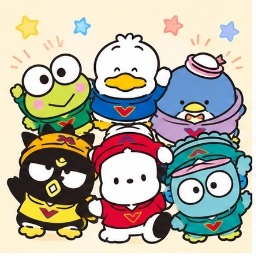
The Six Canonical Members of Hapidanbui
Unlike fictional idol groups conceived from scratch, Hapidanbui unites six established classic male characters from the late 1970s, 1980s, and 1990s:

Pochacco (1989)
Vocals and Guitar Leader

Tuxedosam (1979)
Drums and Gourmet Connoisseur

Kerokerokeroppi (1988)
Accordion and Energetic Cheer

Bad Badtz-Maru (1993)
Vocals and Rock Bassist

Hangyodon (1985)
Bass, Tambourine and Heroics

Ahiru no Pekkle (1990)
Keyboards and Dance Specialist
The "V-Shaped Revival" Phenomenon: The formation of Hapidanbui triggered a massive resurgence for these characters. Hangyodon jumped back into the top 10 of the Sanrio Character Ranking, Pekkle enjoyed high-profile merchandise sellouts, and Pochacco solidified his status in the top 3 globally.
Beatcats: Sanrio's Music and Dance Unit
Co-developed in 2020 by Sanrio and Sega Toys, Beatcats is a virtual dance and vocal unit composed of five stylish cat characters. The project was created specifically to appeal to digital-native audiences through music streaming, TikTok dance challenges, anime shorts, and interactive mobile experiences.
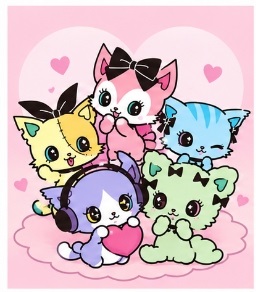
The Five Canonical Members of Beatcats
- Mia: The pink cat center who loves bright fashion and high-energy vocals.
- Chelsea: The baby-blue cat with a gentle, chic personality who excels at soothing melodies.
- Rico: The yellow cat full of athletic power, sharp dance moves, and acrobatics.
- Layla: The purple cat with a cool, mysterious aura and hip-hop rhythm flow.
- Emma: The mint-green cat, a soft-spoken foodie and fashion coordinate specialist.
The Beatcats lore centers on consuming human "dokidoki" (heart-throbbing emotional excitement) and converting it into dazzling stage performances and musical releases.
Maimaimaigoen: A Large Narrative Story Ensemble
Launched in October 2021, Maimaimaigoen (まいまいまいごえん) demonstrates Sanrio's versatility in psychological storytelling. It is neither a traditional mascot property nor a musical unit, but an intricate narrative universe told through serialized manga on Young Ace Up and an episodic RPG Maker game.
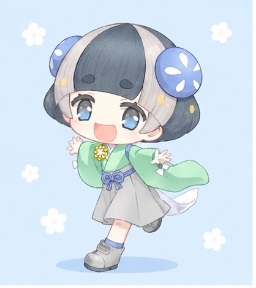
The 17 Core Characters of Maimai Dori
The story follows 16 young children from the Sunflower Class (such as Shin, Dial, Okada, Rin, Hikari, Hayato, and Kanata) and their well-meaning nursery teacher, Mamoru Okada (Sensei), who become trapped inside the surreal amusement park "Maimai Dori."
The children must confront moral dilemmas, emotional vulnerabilities, and park challenges to earn medals and escape. Its ensemble structure allows rich character dynamics that stand apart from conventional standalone mascots.
Classic Duos, Trios and Sibling Groups

Little Twin Stars (1975)
Twin celestial siblings Kiki (blue hair, curious younger brother) and Lala (pink hair, gentle older sister) born on the Omoiyari Star in the Dream Galaxy. They remain Sanrio's most celebrated canonical duo.
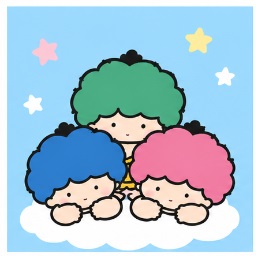
Goropikadon (1982)
Three mischievous oni thunder-boy brothers: Goro (blue hair, loves naps), Pika (pink hair, quiet nature lover), and Don (green hair, gadget inventor). A legendary 1980s Showa trio.
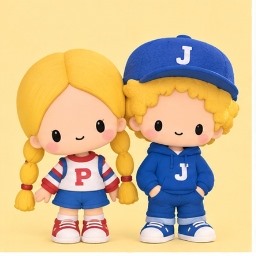
Patty and Jimmy (1974)
Sporty young girl Patty and studious chess enthusiast Jimmy living in Evanston, Illinois. A vintage American collegiate pair introduced in 1974.
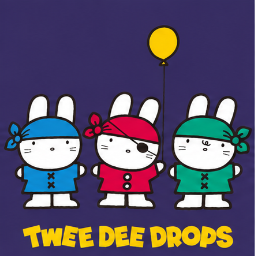
Twee Dee Drops (1980)
Three energetic rabbit boys (Puck, Chippy, and Pip) who wear pirate-style hats and colorful pastel ears, playing daily games in their coastal homeland.
Group Member vs Standalone Sanrio Character
A key structural feature of Sanrio's branding is the relationship between individual characters and group units. For example:
Dual Identity Architecture: The Hapidanbui Example
When Pochacco, Tuxedosam, Keroppi, Badtz-Maru, Hangyodon, and Pekkle perform as Hapidanbui, they function as a single collaborative unit. However, they are NOT confined to the group:
- Separate Ranking Ballots: In the annual Sanrio Character Ranking, fans vote for each character individually, not as Hapidanbui.
- Independent Heritage: Each member possesses their own family lore, separate companion characters, and distinct debut decade.
- Solo Product Lines: Individual merchandise lines continue alongside official Hapidanbui unit goods.
How Sanrio Group Concepts Changed Over Time
The philosophy behind Sanrio's group properties has evolved dynamically over fifty years:
- 1970s (Storybook Pairs and Rural Circles): Simple, elegant visual pairing emphasizing friendship, rural charm, and Americana (Little Twin Stars, Patty and Jimmy, Bunny and Matty).
- 1980s (Themed Trios and Sibling Dynamics): Colorful character trios with defined comedic personalities and sibling banter (Twee Dee Drops, Goropikadon).
- 2000s (Artisan Confectionery Universes): Expanding single concepts into vast multi-character vocational realms (Sugarbunnies, Sugar Minuet).
- 2020s (Crossover Units, Virtual Idols and Narrative Gaming): Assembling established legacy characters into empowerment boy bands (Hapidanbui), launching virtual dance groups (Beatcats), and crafting serialized psychological game casts (Maimaimaigoen).
Which Sanrio Groups and Units Are Still Active in 2026?
Sanrio's modern and classic group entities continue to maintain active schedules across multimedia channels:
- Hapidanbui: Highly active in 2026 with new single releases, collaborative convenience store campaigns, live theme park appearances at Sanrio Puroland, and prominent placements in the 2026 Sanrio Character Ranking.
- Beatcats: Regular music video drops on YouTube and TikTok, accompanied by official rhythm game updates and dance event pop-ups.
- Maimaimaigoen: Ongoing manga serialization and new chapter releases for the official adventure RPG game.
- Little Twin Stars: Celebrating major milestone anniversary campaigns with dedicated retro giftware lines and cosmetic brand partnerships worldwide.
Frequently Asked Questions About Sanrio Groups and Units
What are the main Sanrio character groups and units?
Prominent Sanrio multi-character entities include classic duos like Little Twin Stars and Patty and Jimmy, vintage trios like Twee Dee Drops and Goropikadon, multi-character worlds like Sugarbunnies, modern official units like Hapidanbui, virtual dance-vocal groups like Beatcats, and large story ensembles like Maimaimaigoen.
What is a Sanrio character unit?
A Sanrio character unit is an officially organized team formed by bringing characters together under a shared creative concept or mission. For example, Hapidanbui was formed in 2020 by uniting six pre-existing classic male characters to deliver positive encouragement and music.
Who are the six members of Hapidanbui?
The six official members of Hapidanbui are Pochacco, Tuxedosam, Kerokerokeroppi, Bad Badtz-Maru, Hangyodon, and Ahiru no Pekkle.
Is Hapidanbui a band?
Hapidanbui is officially classified by Sanrio as a character unit. While the members frequently perform as a music band with instruments in music videos and live shows, the unit encompasses broader lifestyle, comedy, sports, and motivational activities beyond music alone.
Who are the Beatcats and how many members do they have?
Beatcats is a five-member virtual dance and vocal cat group created in 2020 in collaboration with Sega Toys. The five canonical cat members are Mia, Chelsea, Rico, Layla, and Emma.
Who are the Twee Dee Drops?
Twee Dee Drops is an energetic trio of rabbit boys introduced by Sanrio in 1980, recognized for their mischievous pirate-style outfits and colorful pastel ears.
Are Little Twin Stars considered a duo or a group?
Little Twin Stars are officially a canonical duo consisting of twin siblings Kiki and Lala, who were created in 1975 and function as a unified property while maintaining distinct individual personalities.
Are Sugarbunnies just two characters?
No. While the twin patissier brothers Shirousa and Kurousa are the lead characters, Sugarbunnies is a broader multi-character property featuring more than a dozen artisan twin rabbit pairs living in Bunniesfield.
What is Maimaimaigoen?
Maimaimaigoen is a large-scale narrative ensemble property launched by Sanrio in 2021. It follows 16 nursery school children and their teacher (17 core characters) navigating challenges within a mysterious, surreal amusement park.
Are Hapidanbui members still individual Sanrio characters?
Yes. Each member of Hapidanbui existed decades before the unit formed and continues to maintain an independent character profile, individual merchandise lines, and separate voting entries in the annual Sanrio Character Ranking.
What is the difference between a Sanrio group and a character property?
A character property is the overarching intellectual property (such as Sugarbunnies or Cheery Chums), whereas a group or unit refers to a specific performing or operational team within or across properties (such as Hapidanbui or Beatcats).
Do all Sanrio groups compete together in the Character Ranking?
No. Classic duos like Little Twin Stars and multi-member properties like Beatcats, Sugarbunnies, and Goropikadon compete as single entities, whereas members of crossover units like Hapidanbui compete individually under their own names.
Research and Group Taxonomy Verification
This editorial guide is verified against official Sanrio character profiles, corporate project press releases, Japanese media archives, and Character Ranking voting data. Entity classifications distinguish strictly between permanent duos, multi-character worlds, musical groups, and crossover units.
Learn how we verify character taxonomy and group structures →Explore Related Guides and Character Profiles
All Sanrio Characters List →
Browse all official Sanrio characters with full profiles, categories, and debut timelines.
Sanrio Rabbit Characters Guide →
Explore My Melody, Marroncream, Sugarbunnies, and official bunny taxonomy.
Classic 1970s Sanrio Characters →
Discover the origins of Little Twin Stars, Patty and Jimmy, and early Showa duos.
Vintage 1980s Sanrio Characters →
Explore the era of Goropikadon, Twee Dee Drops, Hangyodon, and Tuxedosam.